Get Handicap Ramp Repair
Handicap ramp repair services help property owners fix or replace damaged, uneven, or unsafe ramps to ensure safe, accessible entry for all visitors.
If you are considering handicap ramp repair services, you are in the right place to explore your options. Property owners in the area often look into ramp repairs to ensure accessibility, safety, and compliance with local standards. Whether addressing wear and tear or planning improvements, understanding the available local contractors can help you make informed decisions about your property’s accessibility features.
Continuing to review local service providers can assist in planning a project that meets your specific needs. Comparing different contractors’ offerings allows you to find solutions tailored to your property, whether for residential or commercial spaces. Keep reading to discover how experienced local pros can support your handicap ramp repair needs and help you maintain a safe, accessible environment.
- Handicap Ramp Repair - needed when existing ramps become damaged or unsafe for wheelchair users.
- Ramp Resurfacing - required if a ramp's surface becomes worn, cracked, or slippery.
- Structural Reinforcement - necessary when a ramp's support system shows signs of deterioration or instability.
- Custom Ramp Modifications - requested to accommodate specific accessibility needs or unique property layouts.
- Ramp Extension Services - sought when additional length or height adjustments are needed for better accessibility.
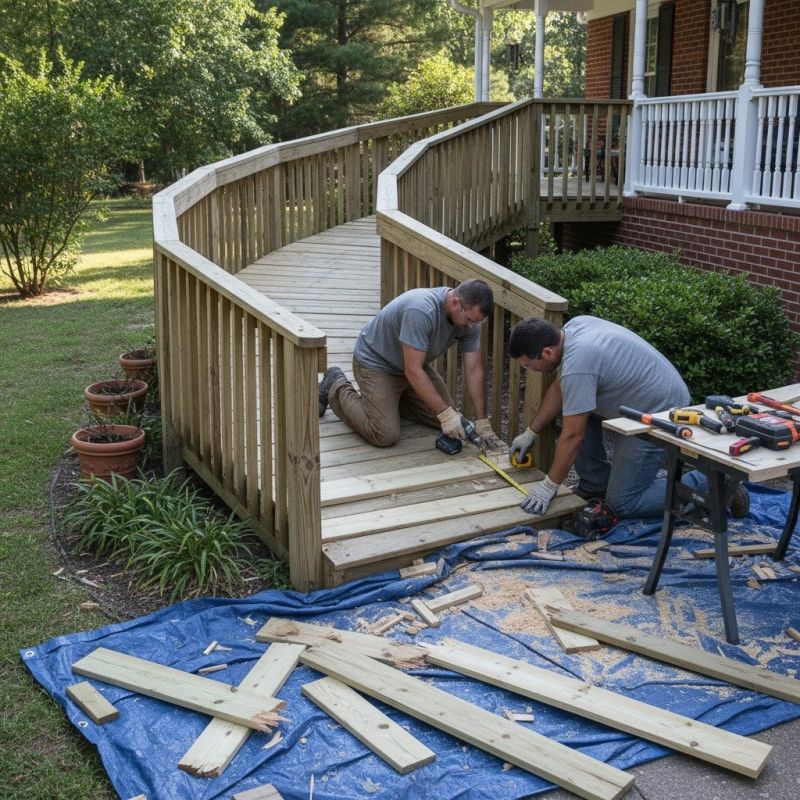
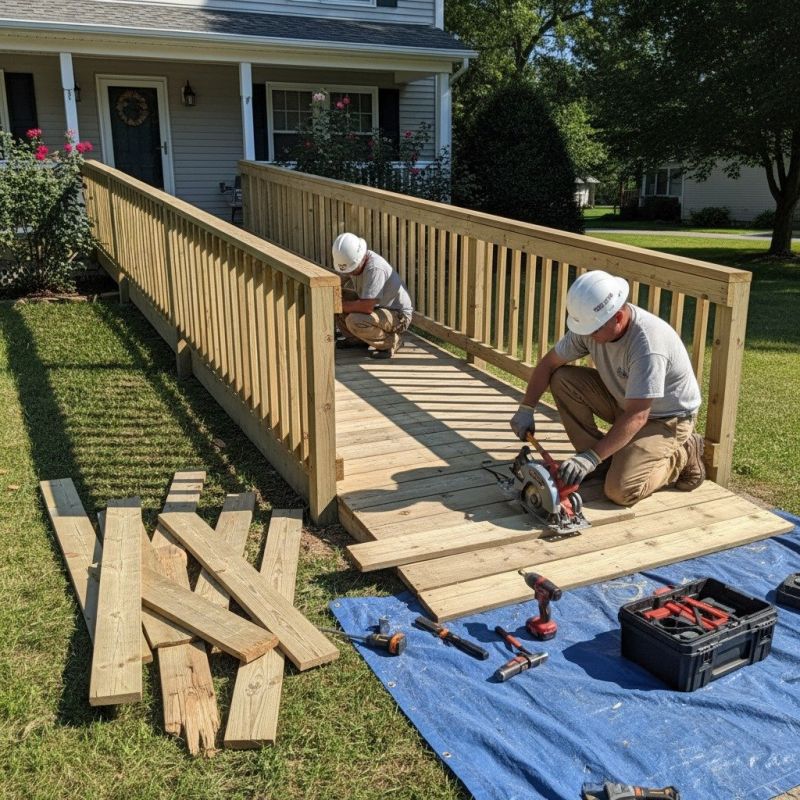
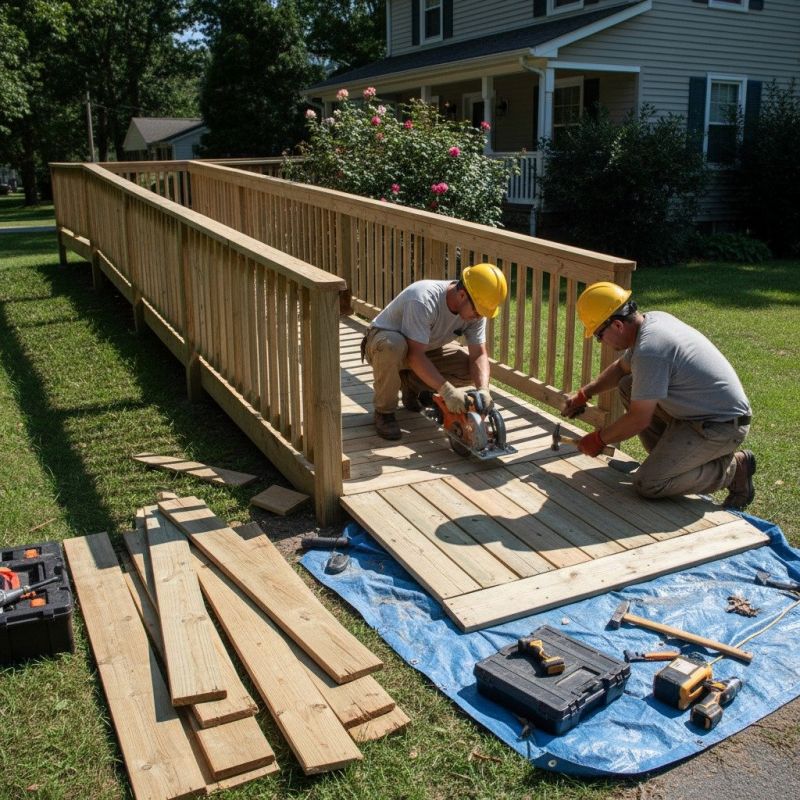
Handicap ramp repair services involve fixing and restoring accessibility ramps to ensure they are safe, stable, and functional. These services typically address issues such as loose or broken handrails, cracked or uneven surfaces, and damaged support structures. Repairing these elements helps maintain the integrity of the ramp, preventing accidents and making sure it continues to serve its purpose effectively. Professional contractors assess the existing ramp to identify areas that need reinforcement or replacement, ensuring the repaired structure complies with safety standards and provides reliable access.
Many common problems prompt the need for handicap ramp repairs. Over time, exposure to weather conditions can cause wood to rot or metal to rust, leading to structural weaknesses. Heavy use or accidental impacts can also cause damage or looseness in key components. Additionally, ramps that were initially built without proper support or with subpar materials may degrade faster, creating hazards for users. Addressing these issues promptly helps prevent falls, injuries, or further deterioration, ensuring the ramp remains a safe and accessible entry point for individuals with mobility challenges.
Handicap ramp repair services are used across a variety of property types. Residential homes often require repairs to ensure family members or visitors with mobility aids can access the home safely. Commercial properties, such as retail stores, offices, and medical facilities, rely on well-maintained ramps to meet accessibility requirements and serve clients or patients effectively. Public buildings, community centers, and housing complexes also frequently need repairs to keep ramps in compliant, safe condition. Whether it’s a small repair or a full replacement, local contractors can help property owners maintain accessible and functional entryways.
Knowing when to seek handicap ramp repair services is essential for maintaining safety and accessibility. Signs of trouble include loose or wobbly handrails, cracked or uneven surfaces, and visible rust or rot. If a ramp shows signs of structural instability or has become difficult to navigate, it’s time to contact a professional. Repairing or replacing damaged components can restore confidence in the ramp’s stability and ensure it continues to serve its purpose effectively. Local service providers can evaluate the condition of the ramp, recommend necessary repairs, and help property owners keep their accessible entryways in top condition.
The overview below groups typical Handicap Ramp Repair projects into broad ranges so you can see how smaller, mid-sized, and larger jobs often compare in your area.
In many markets, a large share of routine jobs stays in the lower and middle ranges, while only a smaller percentage of projects moves into the highest bands when the work is more complex or site conditions are harder than average.
Smaller Repairs - For minor repairs such as fixing loose or damaged sections, local contractors typically charge between $250 and $600. Many routine jobs fall within this range, depending on the extent of the damage.
Mid-Range Repairs - Replacing or repairing larger sections of a handicap ramp usually costs between $600 and $1,500. These projects are common for moderate wear or partial replacements and represent the most frequent cost band.
Full Replacement - Replacing an entire handicap ramp can range from $2,000 to $5,000 or more, especially for custom or complex installations. Larger, more intricate projects tend to push into the higher end of this range.
Complex or Custom Projects - Highly customized or structural modifications can exceed $5,000, depending on scope and materials. Such projects are less common but may be necessary for unique accessibility needs or extensive renovations.
Actual totals will depend on details like access to the work area, the scope of the project, and the materials selected, so use these as general starting points rather than exact figures.
Wheelchair Ramp Installation - local contractors skilled in building and installing accessible ramps share similar planning and construction techniques with handicap ramp repairs.
Accessibility Doorway Modifications - modifying doorways for wheelchair access involves similar structural adjustments and planning as ramp repair projects.
Elevator and Lift Repair - repairing and maintaining lifts and elevators requires technical skills and planning comparable to handicap ramp maintenance.
Concrete Repair and Leveling - fixing uneven surfaces and repairing concrete foundations aligns with the skills used in ramp repair and reinforcement.
Handrail and Guardrail Installation - installing or repairing handrails involves similar safety considerations and planning as ramp modifications.
Stairlift Installation - installing stairlifts involves planning and technical work akin to constructing accessible pathways for mobility devices.
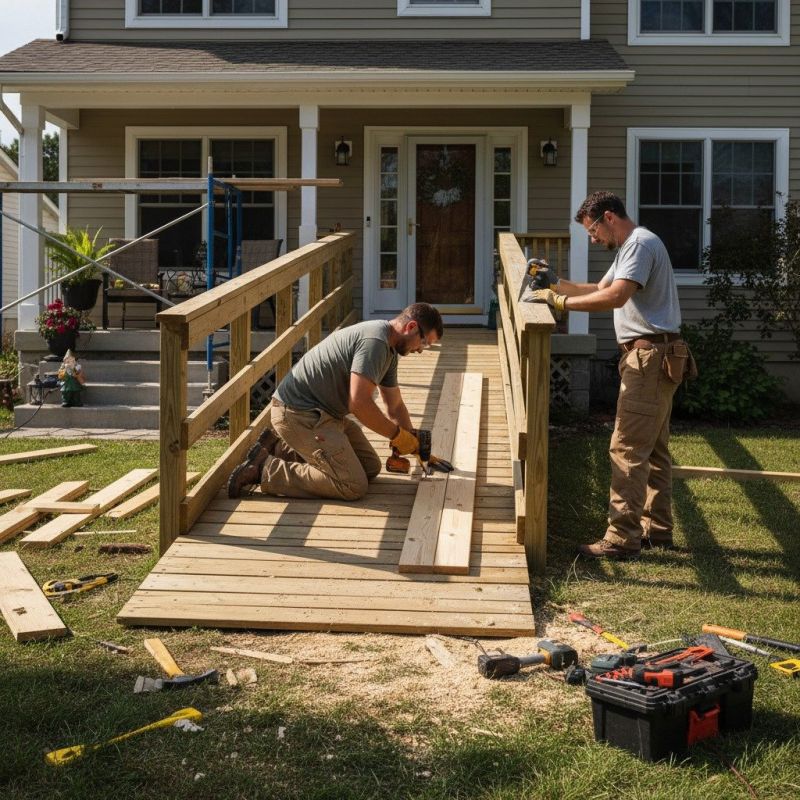
When comparing service providers for handicap ramp repair, it is important to evaluate their experience with similar projects. Consider how long a contractor has been working on accessibility modifications and whether they have a history of successfully completing ramp repairs for homes with comparable needs. An experienced local contractor will typically have a better understanding of common challenges and the best practices for ensuring the repair meets functional and safety standards.
Clear, written expectations are also essential when choosing a service provider. A reputable local contractor should be able to provide a detailed scope of work, outlining what the repair will involve and what the homeowner can expect during the process. Having this information in writing helps prevent misunderstandings and ensures that both parties are aligned on the project's goals and deliverables.
Reputable references and good communication are key indicators of a reliable local contractor. Asking for references from past clients or checking reviews can provide insights into the quality of work and professionalism. Additionally, a service provider who communicates clearly and promptly can make the process smoother, answering questions and addressing concerns throughout the project. It’s important to remember that this site introduces homeowners to local options for handicap ramp repair, but it does not perform the work itself. Connecting with qualified local contractors ensures that the project is handled by experienced professionals committed to meeting individual needs.
Property owners use Handicap Ramp Repair services for practical projects around their homes and businesses. This guide focuses on everyday jobs and straightforward project options.
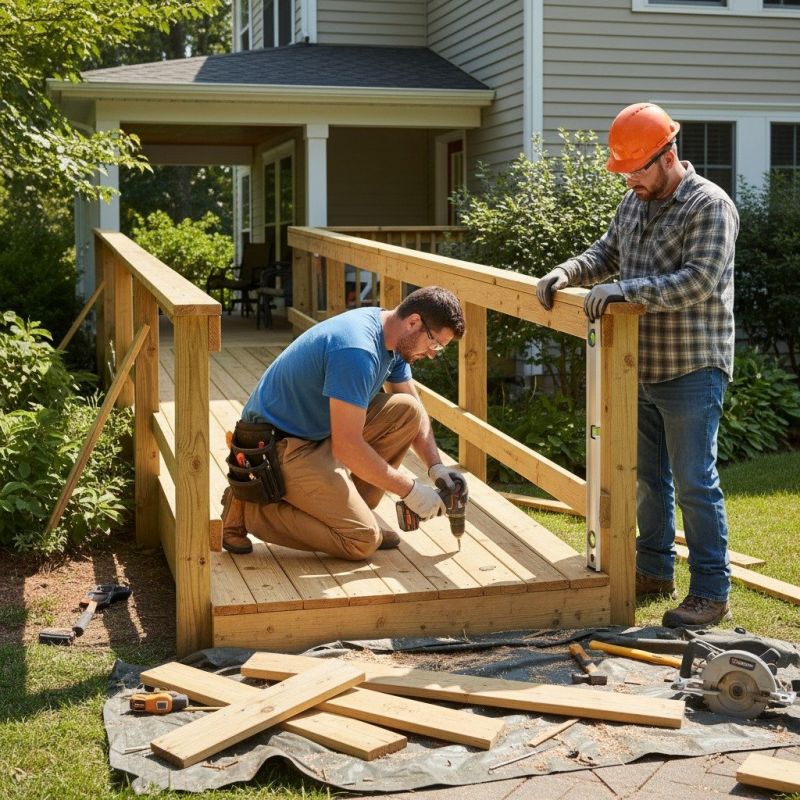
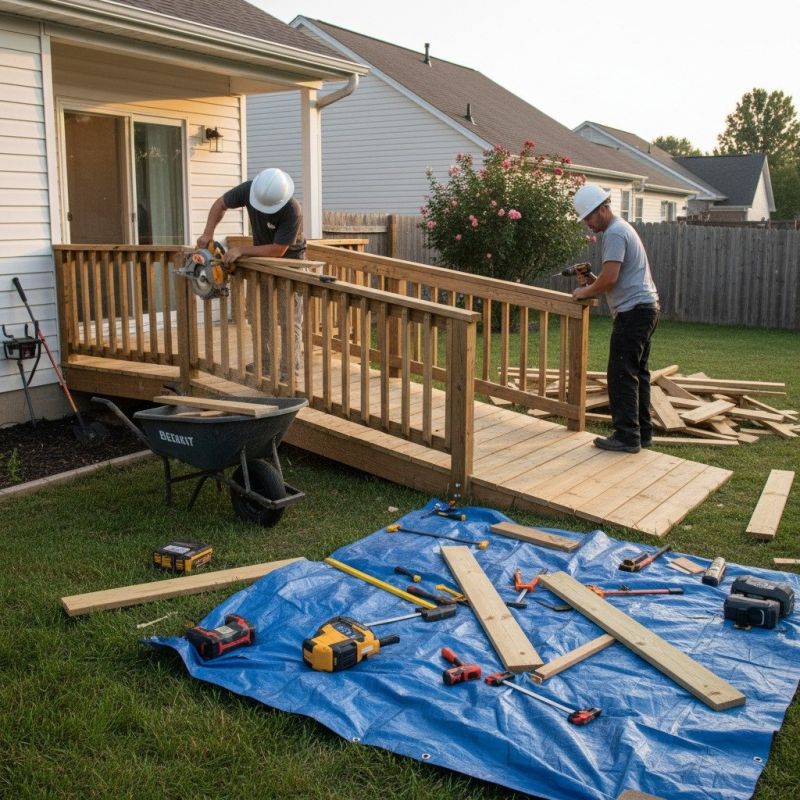
Handicap ramp repair services are often needed when existing ramps become damaged or unsafe, creating accessibility challenges for residents and visitors. Property owners might seek these services after noticing issues like loose handrails, cracked surfaces, or uneven surfaces that could pose fall risks. Local contractors can assess the condition of existing ramps and perform repairs to ensure they meet safety standards and remain functional for those who depend on them daily.
In addition, property owners may look for handicap ramp repairs when making modifications to accommodate new accessibility needs or after wear and tear from regular use. Whether upgrading an older ramp or fixing damage caused by weather or heavy use, local service providers can help restore ramps to proper condition. These repairs help maintain compliance with accessibility requirements and support the ongoing safety and independence of individuals relying on these structures.
What types of handicap ramp repairs do local contractors handle? Local service providers can repair and restore various types of handicap ramps, including concrete, wood, and metal structures, ensuring they meet safety and accessibility standards.
How can I tell if my handicap ramp needs repair? Signs that a ramp may need repair include visible damage, instability, uneven surfaces, or difficulty in use, which local contractors can assess during a consultation.
Are there different repair options for temporary versus permanent handicap ramps? Yes, local service providers offer repairs suitable for both temporary and permanent ramps, depending on the material and condition of the existing structure.
What common issues do handicap ramp repairs address? Repairs often focus on fixing cracks, loose handrails, unstable foundations, and damaged surfaces to improve safety and functionality.
How do local contractors ensure handicap ramps meet accessibility standards after repair? Service providers follow relevant guidelines and standards to ensure that repaired ramps are compliant and safe for use by individuals with mobility challenges.
Residential Accessibility Improvements - Property owners can enhance safety and mobility by repairing or installing ramps to accommodate wheelchairs or walkers.
Entrance Accessibility Upgrades - Repairing existing ramps or adding new ones can make entryways more accessible for elderly family members or visitors with mobility challenges.
Renovation and Remodel Projects - During home renovations, property owners can incorporate ramp repairs to ensure continued accessibility and compliance.
Commercial Property Accessibility - Business owners can improve customer and employee access by maintaining or upgrading ramps to meet accessibility standards.
If you are thinking about Handicap Ramp Repair for a property, this guide is meant to help you understand the work, the typical project types, and how different options might fit your plans.
When you are ready, you can use the quote form on this page to share a few details about your project. From there, local pros can review the basics and respond with options that match what you have in mind.